Bingham County, ID plants and fabricators can compare loans or leases for identified production machinery, while separating payroll and materials into their own cash worksheets. With Clayshire Lending Group, the discussion can pair a supplier’s machinery quote with the plant’s recent accounts for consideration by funding partners. Each provider chooses the assets it will assess and determines any offer.
An equipment request should identify the production asset, its condition and complete acquisition cost. Materials, payroll and permanent building changes require separate treatment. A machine purchase does not establish a production or revenue result.
Fabrication and welding equipment
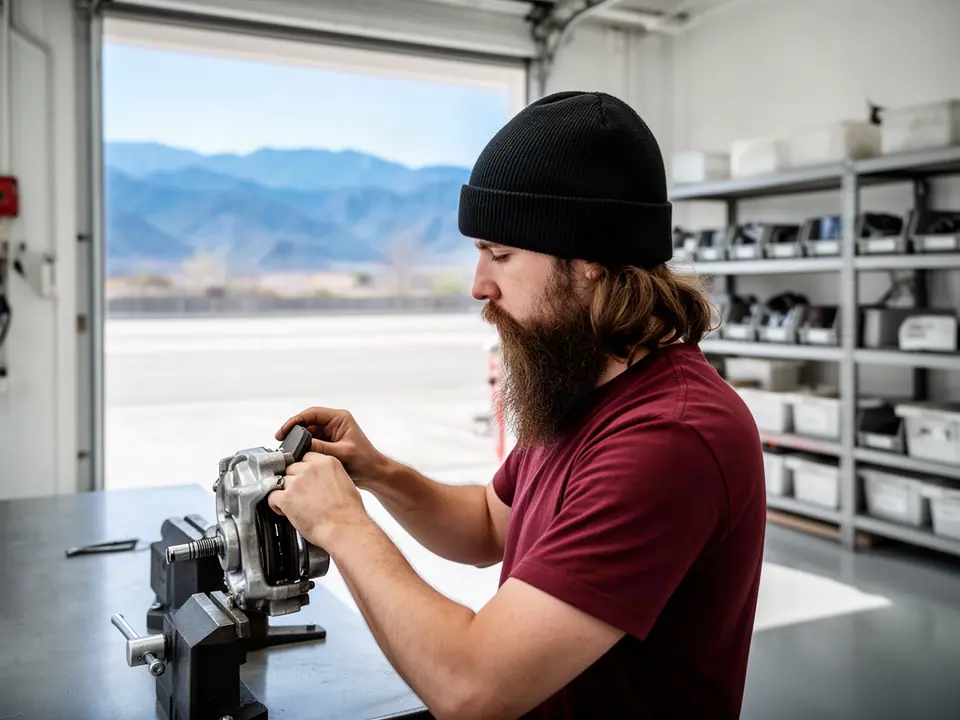
Start with a supplier quote that names the press brake, cutting table, welding power source, positioner or machining center. Record controls, compatible tooling and included accessories, then identify consumable electrodes, metal stock and replacement parts on a separate order. Permanent shop alterations and fixed building systems are not part of the equipment request.
A clear quote lets the plant compare an equipment loan with a lease for the same package. Ownership during the term, security, payment frequency and final choices all belong in the comparison. Do not use a projected customer order as proof that the machine will generate a particular return. The funding provider evaluates the asset and business under its own process.
| Component | Evidence | Keep separate from |
|---|---|---|
| Primary machine | Model, controls, condition and quoted price | Unspecified plant or premises changes |
| Durable tooling | Compatibility and itemized cost | Consumables used during production |
| Immediate repair | Inspection or service estimate | An unexplained addition to the asset price |
| Material order | Quantities, supplier cost and production use | The machine’s ownership obligation |
| Finance terms | Complete payment and end-of-term schedule | A projected production return |
The 2023 CBP counted nine fabricated metal product manufacturing employer establishments in Bingham County, ID (NAICS 332), with six in the under-five-employee size class. That county count describes employer establishments, not the number of machine shops, their equipment values or likely funding decisions. A plant’s own quote and current accounts remain the relevant records.
Forklifts and warehouse racking
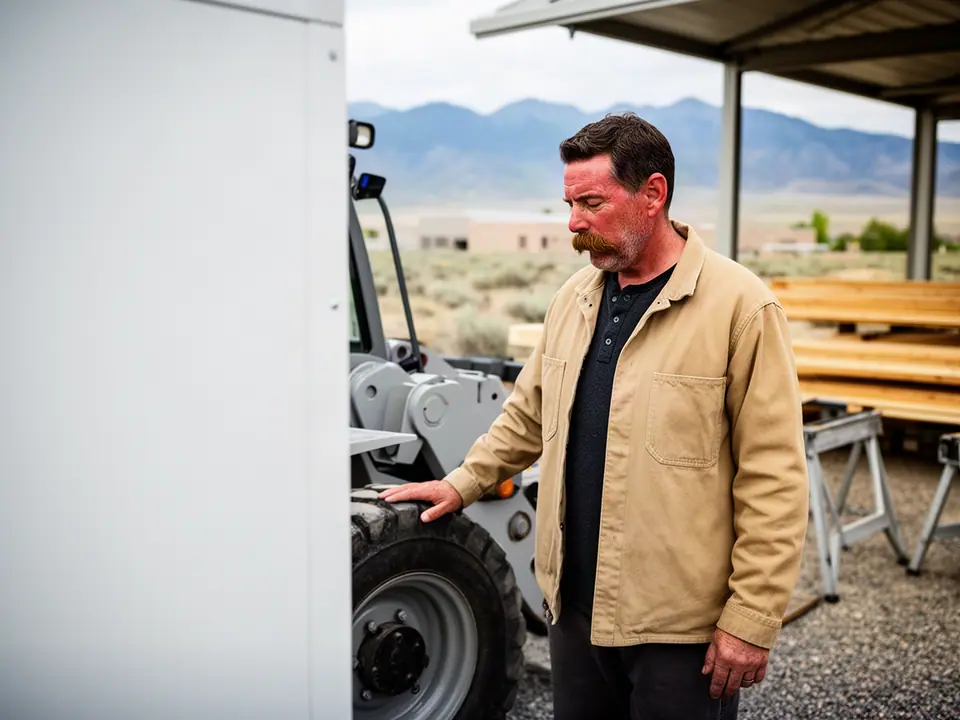
For a forklift, record the model, serial number, operating hours, condition, capacity specifications and included attachments. A conveyor or modular storage package needs its own component and condition list. If shelving or rack work becomes fixed to the premises, exclude that installation and any building alteration from this site’s request.
A plant can ask the seller to separate movable assets from freight, immediate service and consumables. Those distinctions help prevent an apparently low equipment price from concealing another necessary purchase. They also make the scope of two supplier quotes clearer before their finance schedules are compared.
- Forklift model, hours, condition and compatible attachments
- Conveyor or modular-rack components and quoted price
- Inspection, maintenance and immediate repair records
- Excluded fixed installation and premises alterations
- Current production records and existing business obligations
- Complete loan or lease payments and final contractual choices
A funding provider determines which machinery and components it will accept as part of a review. A lease’s return conditions may matter as much as its scheduled installments when the plant’s future equipment needs are uncertain. Read the actual documents rather than relying on a supplier’s product category or a payment headline.
Payroll while a new line ramps up
A production ramp can create wage and material dates that differ from machine installments. Map actual paydays, supplier invoices and current receipts separately from the equipment purchase. Keep expected output and customer receipts identified as projections, with their assumptions visible, rather than presenting them as assured cash.
Illustration only, invented figures: a plant has $7,600 of biweekly payroll and is examining a 30-day interval before illustrated receipts. The interval holds 2 or 3 paydays depending on the first one, so its wage component is $15,200 to $22,800. This does not estimate production revenue or establish a funding amount.
A working-capital structure can address a dated operating interval, while machinery remains on the equipment comparison. The provider selects which payroll, production and account records it wants to examine. Compare the full payment schedule with available cash rather than assuming a new line will immediately cover it. The example uses only dated payroll, with no assumption about a recurring business cycle.
Used equipment and inspection reports
An inspection report should be tied to the exact machine and its serial number, not a generic model brochure. Keep operating-hour records, maintenance history, identified defects and the seller’s quote together. A clean inspection does not establish future performance, and a provider can apply its own asset review instead of accepting the seller’s description at face value.
In 2023, Bingham County, ID had 47 manufacturing employer establishments across NAICS 31-33 (CBP). That industry’s CBP employment measure was 2,144 paid employees for the pay period including March 12. The county measure does not indicate a single plant’s production line, labor requirements or capacity to carry an installment.
Compare the used machine with an identical acquisition scope before judging a proposal. The equipment financing guide covers loan-versus-lease considerations, and a term loan is another fixed-schedule structure to evaluate. The manufacturing page separates materials from machinery. Visit the article index for more worksheets or open the opening inquiry with the actual asset and current records. The provider makes the credit decision and sets all terms.
By Clayshire Lending Group · Updated